






Wolfgang Lehmacher ponders whether Middle East multimodal shift inland is permanent.
The day AIS tracks over the Strait of Hormuz reduced to a trickle, the desert lit up. Trucks rolled out of Salalah and Sohar, trains assembled in Saudi yards, and boxes previously bound for Jebel Ali were rerouted through Jeddah, Omani ports, and inland corridors. What looks like wartime improvisation is, in fact, a deeper shift: the Gulf is moving from an oil tap to a control tower for land bridges that determine whose trade keeps flowing when the seaways go dark.
Chokepoints have moved from the footnotes of risk reports to the front page. Suez, the Red Sea and now Hormuz can no longer be treated as one-off shocks; they are recurring disruptions which are likely to shape decisions over the coming years. The old rule, which optimised for the cheapest sea route and treated land as a last resort, is being rewritten. Leading carriers and shippers are designing for the possibility of closed straits, building in planned detours across rail and road and treating sea lanes and inland routes as one network, not separate worlds.
Saudi Arabia has spent years getting ready for this moment. Under its National Transport and Logistics Strategy, it has expanded Red Sea ports including Jeddah and King Abdullah Port. It has also launched a rail freight corridor of about 1,700 kilometres, linking Gulf ports such as Dammam and Jubail to the Al-Haditha border with Jordan. Trains can move hundreds of containers and significantly reduce inland transit times compared with road transport alone. These links form a practical land bridge from Gulf terminals to Levantine and Mediterranean gateways when Hormuz or Bab el-Mandeb are constrained. Together with established roads into Jordan and beyond, the Arabian Peninsula is being recast from cul-de-sac to switchboard. It can re-route Asian, European, and African flows when sea lanes fracture.
Oman is the second pillar. As risk and insurance costs have increased around Hormuz, Salalah and Sohar have become diversion hubs for cargo that once went straight into Upper Gulf terminals, with rising volumes trucked into the UAE and other Gulf states under expedited crossborder arrangements where they exist. These pivots reduce exposure to the most contested stretch of water and create a land spine into core Gulf markets. Together with Saudi Arabia’s Red Sea gateways and northbound rail and road, they underpin an emerging Gulf landbridge network.
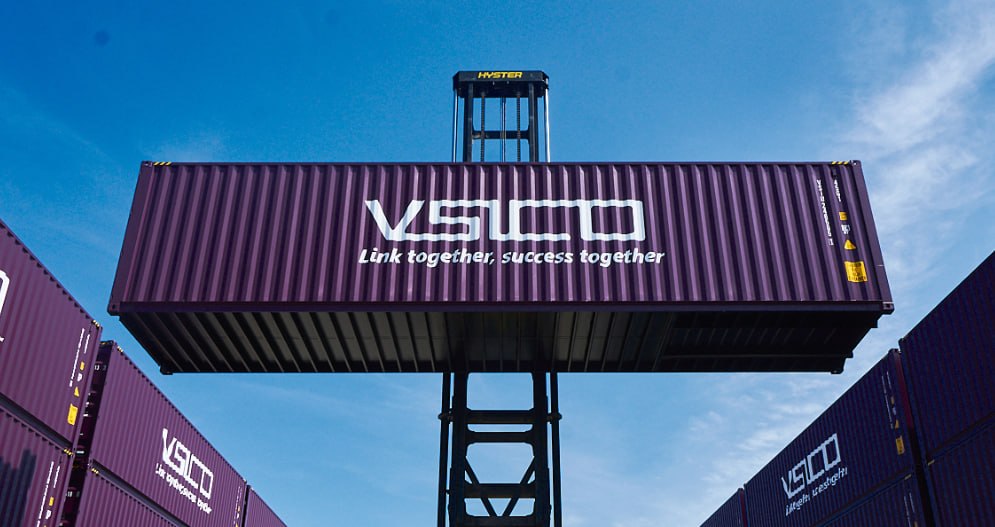
On the private sector side, major carriers have launched branded landbridge and emergency multimodal products, bundling sea, road and, where available, rail into end-to-end services. Once cargo is discharged at safer ports south of Hormuz or on the Red Sea, it moves inland by truck or train to the Upper Gulf states. However, capacity restrictions persist, with priority going to critical goods. Integrators and forwarders also use these routes to keep high-value cargo moving via the most feasible mode of transport. As a result, resilience is now a priced option. Companies that planned secure contracted capacity and priority services on these detours, while those that did not face idle inventory, emergency airfreight, or factories waiting on parts stuck on the wrong side of a chokepoint.
The question now: Who directs detours? Which states set landbridge rules? Which carriers ensure corridor capacity? Which shippers have rights to use these routes during stress? Deal with these with a three-step test: Map exposure to chokepoints. Secure at least two Gulf landbridges as hedges. Track corridor access alongside freight costs and service.
As the crisis dims the seaway, control over trade moves inland. Those who built and secured Gulf landbridges will keep goods moving. Others watch their cargo wait.