





January
Panama rejects Trump promise to take back Panama Canal
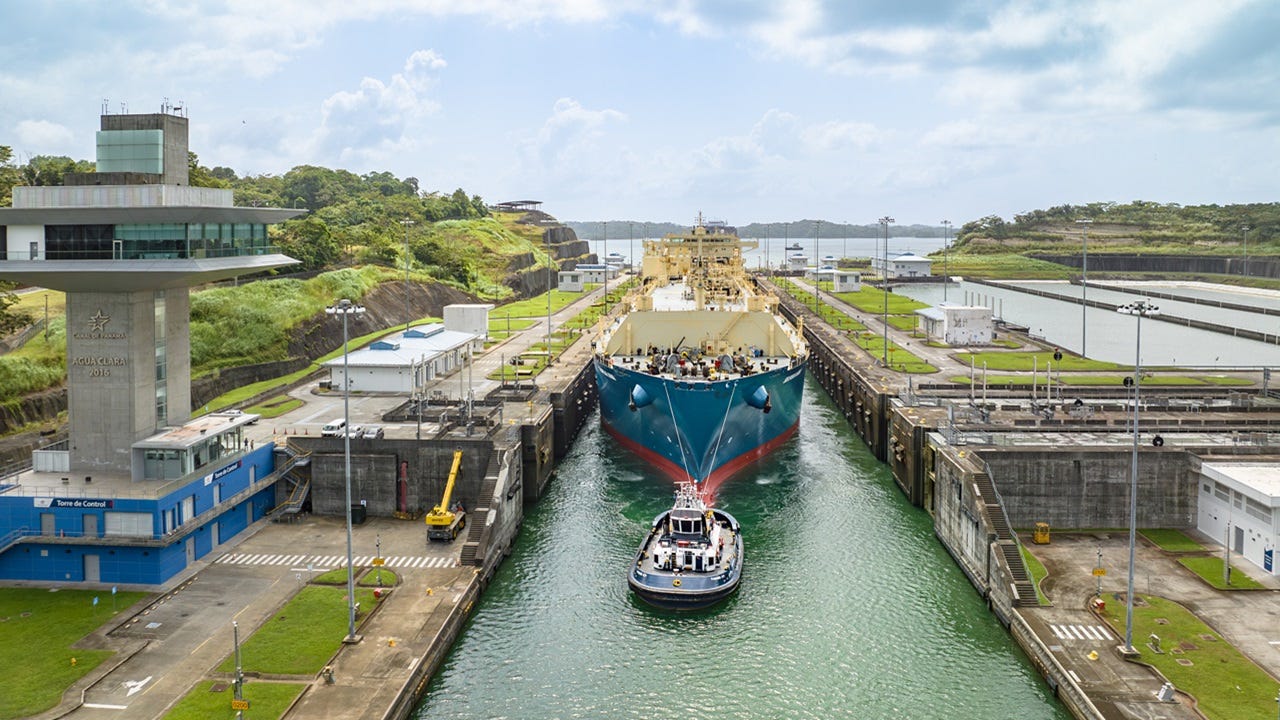
The year started out with the inauguration of Donald Trump for a second term as US President and Panama finding itself one of the first countries in the spotlight of the new administration.
During his inauguration speech on Capitol Hill US President Trump repeated claims, he’d made the previous month that the Panama Canal was under the control of China.
“And above all, China is operating the Panama Canal. And we didn't give it to China, we gave it to Panama, and we're taking it back,” Trump stated.
The claim that the Panama Canal was under Chinese control were based largely on the fact Hong Kong-headquartered Hutchison Ports administers the ports of Balboa on the Pacific side and Cristobal on the Panama Canal Atlantic entrance through subsidiary Panama Ports Company (PPC). These terminals were soon become part of a mega-ports deal which itself has run into geopolitical roadblocks with China.
The Panama government roundly rejected the Trump administration’s claims saying President Jose Paul Mulino saying: “I must fully reject the statements made by President Donald Trump regarding Panama and its Canal during his inaugural address.
“The Canal is and will continue to be Panamanian, and its administration will remain under Panamanian control with respect to permanent neutrality. There is no presence of any nation in the world interfering with our administration. The Canal is not a concession from anyone.”
February
Seafarers jailed for 30 years ‘guilty until proven innocent’ says ITF

The issue of seafarer criminalisation was in the spotlight with Captain Marko Bekavac and chief mate Ali Albokhari of the Phoenician M languishing in a Turkish jail sentenced to 30 years on drugs charges even after prosecutors offered little evidence connecting them to the narcotics, their High Court appeal could take up to two years to be heard.
Officials from the International Transport Workers Federation (ITF) slammed the Turkish authorities following the conviction of two officers for drug offences last year, claiming that “maritime is the only industry where people are guilty until proven innocent”.
Croatian Captain Bekavac has since been freed in an opaque deal reported to be a prisoner swap, however, Finnish chief mate Albokhari despite the campaign by his wife Elena to get him released.
The case highlights a growing trend of ships being used for drug smuggling and the arrest of senior officers even though there is no evidence linking them to narcotics found onboard.
The issue of seafarer criminalisation was in the spotlight with Captain Marko Bekavac and chief mate Ali Albokhari of the Phoenician M languishing in a Turkish jail sentenced to 30 years on drugs charges even after prosecutors offered little evidence connecting them to the narcotics, their High Court appeal could take up to two years to be heard.
Officials from the International Transport Workers Federation (ITF) slammed the Turkish authorities following the conviction of two officers for drug offences last year, claiming that “maritime is the only industry where people are guilty until proven innocent”.
Croatian Captain Bekavac has since been freed in an opaque deal reported to be a prisoner swap, however, Finnish chief mate Albokhari despite the campaign by his wife Elena to get him released.
The case highlights a growing trend of ships being used for drug smuggling and the arrest of senior officers even though there is no evidence linking them to narcotics found onboard.
March
CK Hutchison in $22.8bn ports deal with BlackRock and MSC
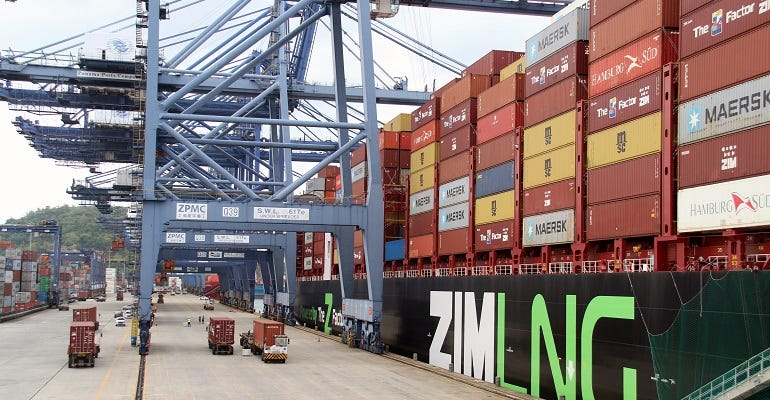
In a mega-ports deal Hong Kong-listed CK Hutchison said it was selling an 80% stake in 43 ports international owned by subsidiary Hutchison Ports, as well as two terminals in Panama, to a consortium comprising US investment firm BlackRock and Terminal Investment Limited (Til) the port arm of MSC owned by the Aponte family.
The deal which included terminals in Rotterdam, UK, Spain, Indonesia, South Korea, Argentina, and Mexico was valued at $22.8 billion. It would catapult the world’s largest container line MSC from the position of world’s seventh largest container terminal operator to number one overtaking PSA if completed.
However, the deal has hit geopolitical hurdles with the Chinese government objecting to lack of consultation and involvement in the sale. An exclusive negotiation period with BlackRock and Til lapsed in late July as moves were made to bring in a Chinese investor believed to be Cosco Shipping. Latest reports indicate the deal could be on the rocks as China seeks majority control.
April
USTR publishes proposed fees for Chinese ship
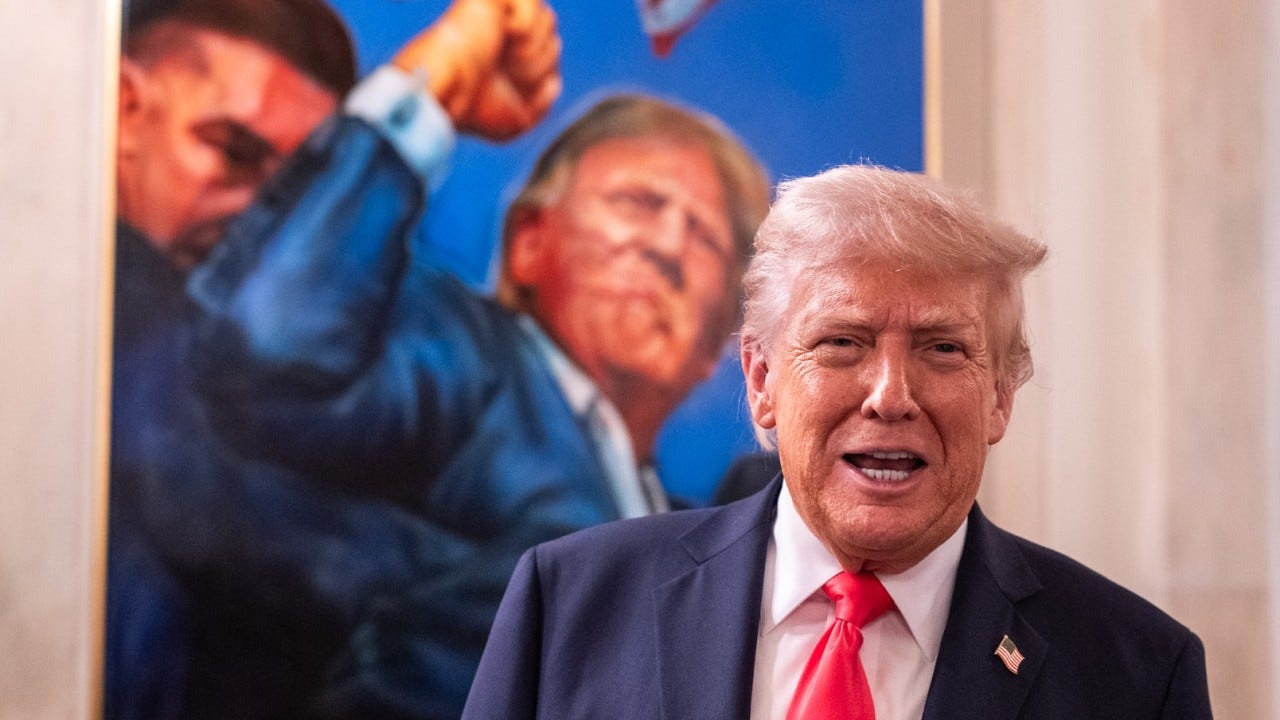
On the eve of the Good Friday holiday, the United States Trade Representative (USTR), issued its determination of Section 301 tariffs related to “…targeted action to restore American shipbuilding and address China’s unreasonable acts, policies, and practices to dominate the maritime, logistics, and shipbuilding sectors.”
An industry consultation period into the proposed USTR fees drew over 600 responses which resulted in a 180-day grace period until 14 October for the two schedules of fees – those for Chinese built ships, and those for Chinese owned and operated vessels.
As the 14 October deadline drew near China was to unveil its own retaliatory “Special Port Service Fee” targeting vessels from companies with at least 25% US ownership or control, leaving shipowners scrambling to comply with a 14 October start date.
In the final event both the USTR and China fees were only in place for a few weeks before the two countries agreed a year long suspension as part of a wider trade negotiations.
May
Inclusive workforce will be ‘a matter of sustainability’
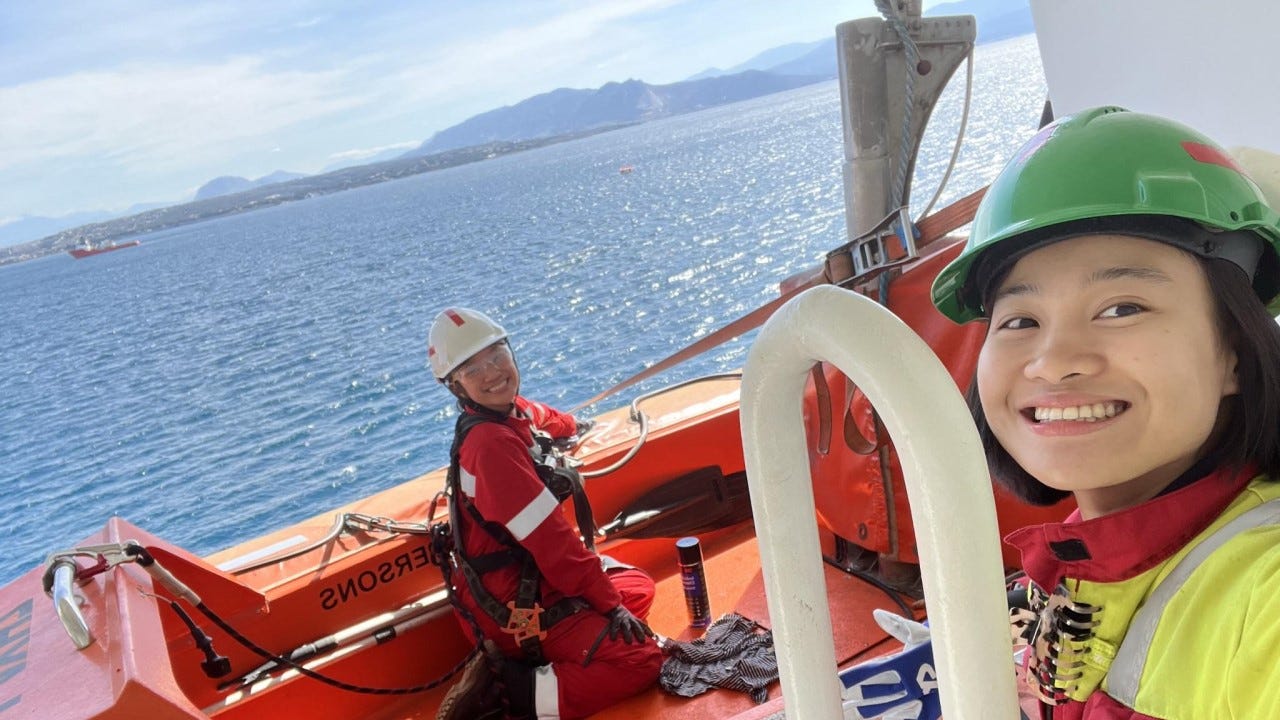
IMO-WISTA survey data revealed the extent of gender inequality in shipping, addressing the imbalance may become a matter of survival for shipping companies.
Women accounted for just under 19% of the 945,161 employees in the maritime workforce identified by the Women in Maritime Survey 2024, produced by the International Maritime Organization (IMO) and WISTA International. The report’s data paints a complex picture for diversity and inclusivity in shipping, building on the findings of the 2021 survey.
Women represented just 1% of the active seafarers in the 2024 survey data, the highest proportion serving on bulk carriers and oil tankers.
Across the public and private sectors, the data showed an improvement towards gender balance in senior management positions but noted room for improvement.
“Although some sub-sectors have achieved gains in gender parity within board and C-suite roles, the maritime industry continues to exhibit significant imbalances at the highest levels of decision-making,” the report stated.
June
Wan Hai 503 fire and the need to provide ports of refuge
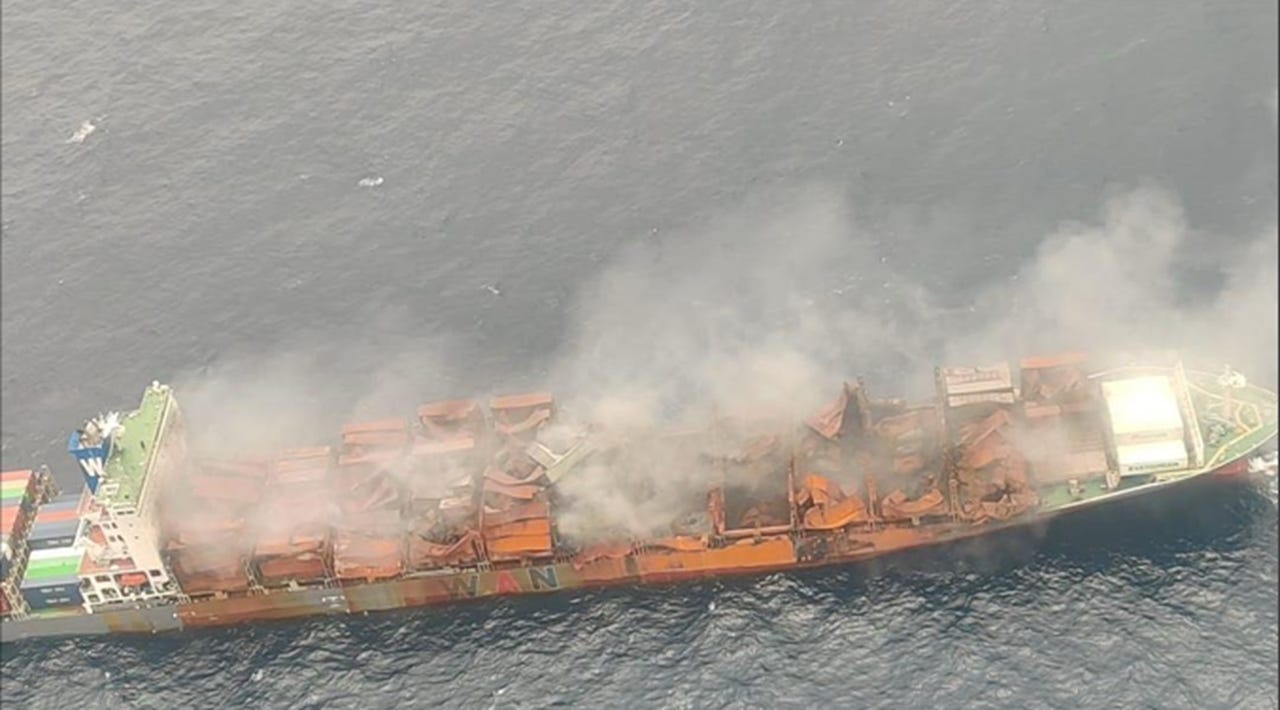
A fire and explosion ripped through the Singapore-registered container ship Wan Hai 503 off the coast of Kerala, India on 9 June resulting in the deaths of four seafarers. On the 13 June as, firefighting operations continued a salvage team was winched onto the vessel to attach a tow line. This was not though to bring the stricken ship to a safer location to fight the fire but rather tow it further out to sea.
The move increased the possibility that the burning vessel would breakup. Over a three-month period a saga would play out with the Wan Hai 503 seeking port of refuge in Hambantota in Sri Lanka but plans being hit an unsurmountable hurdle when the Sri Lankan authorities asked for a Letter of Undertaking of $3.25 billion, an amount far in excess of normal liability limits for a salvage operation.
Eventually the Wan Hai 503 was granted port of refuge in Jebel Ali and undertook a perilous towing operation to reach the Dubai port in the first half of September.
July
Houthi attack leads crew to abandon bulker Magic Seas off Yemen
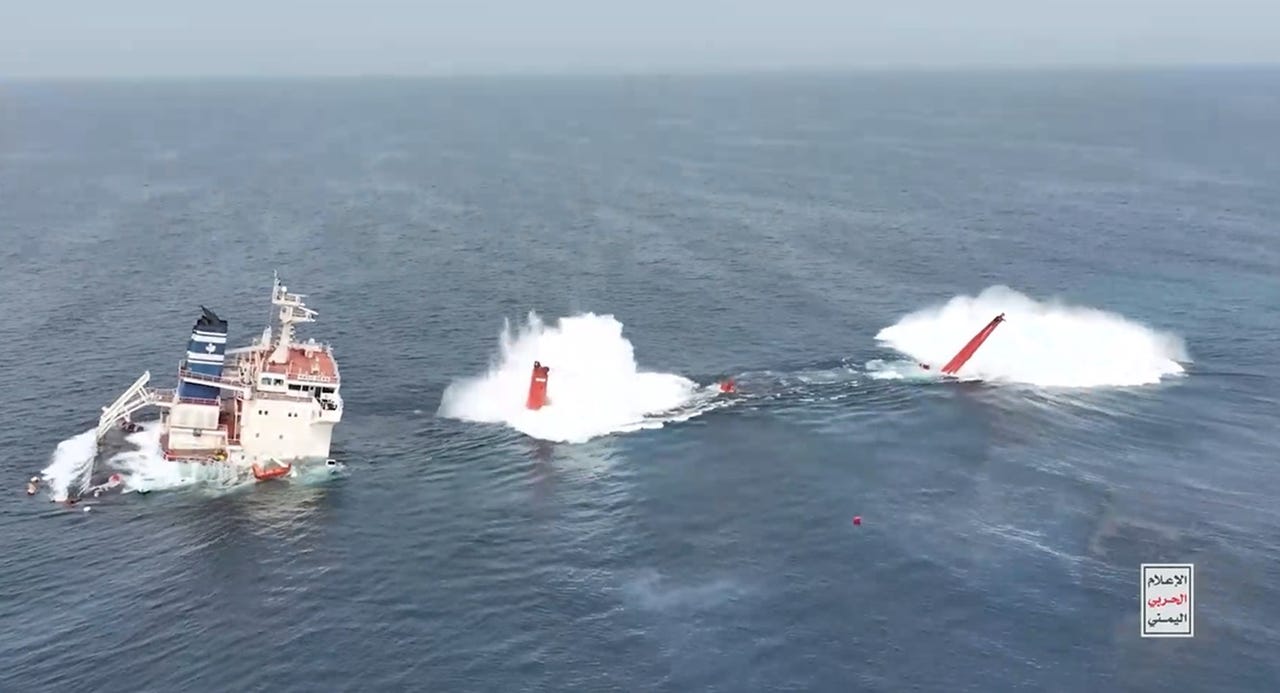
After a lull in the first half of the year Houthi attacks on shipping in the Red Sea returned with a vengeance in July with the particularly brutal attacks on the bulkers Magic Seas and Eternity C.
The Allseas bulker Magic Seas was attacked by the Houthi on 6 July by unmanned surface vessels and missiles. The crew were forced to abandoned ship and been rescued by another merchant vessel in the area. A slickly produced video released by the Houthi footage showed footage of the attack and the later sinking of the Magic Seas.
The Eternity C, owned by Cosmoship from Greece, was attacked over a two-day period in the Red Sea in July. On 7 July the ship was disabled by six cruise and ballistic missiles, and attacked again 8 July with skiffs. On 9 July the Houthi posted video of the vessel sinking.
Four on board the vessel were killed in the attack and eight seafarers and two private security guards were rescued by security forces and taken to Saudi Arabia. A further 10 crew from the Eternity C were “rescued” by the Houthi who conducted search and rescue operations following the sinking of the vessel.
The 10 crew held by the Houthi were released in December following mediation by Oman.
August
Digging into the Gemini Cooperation’s 90% reliability claim
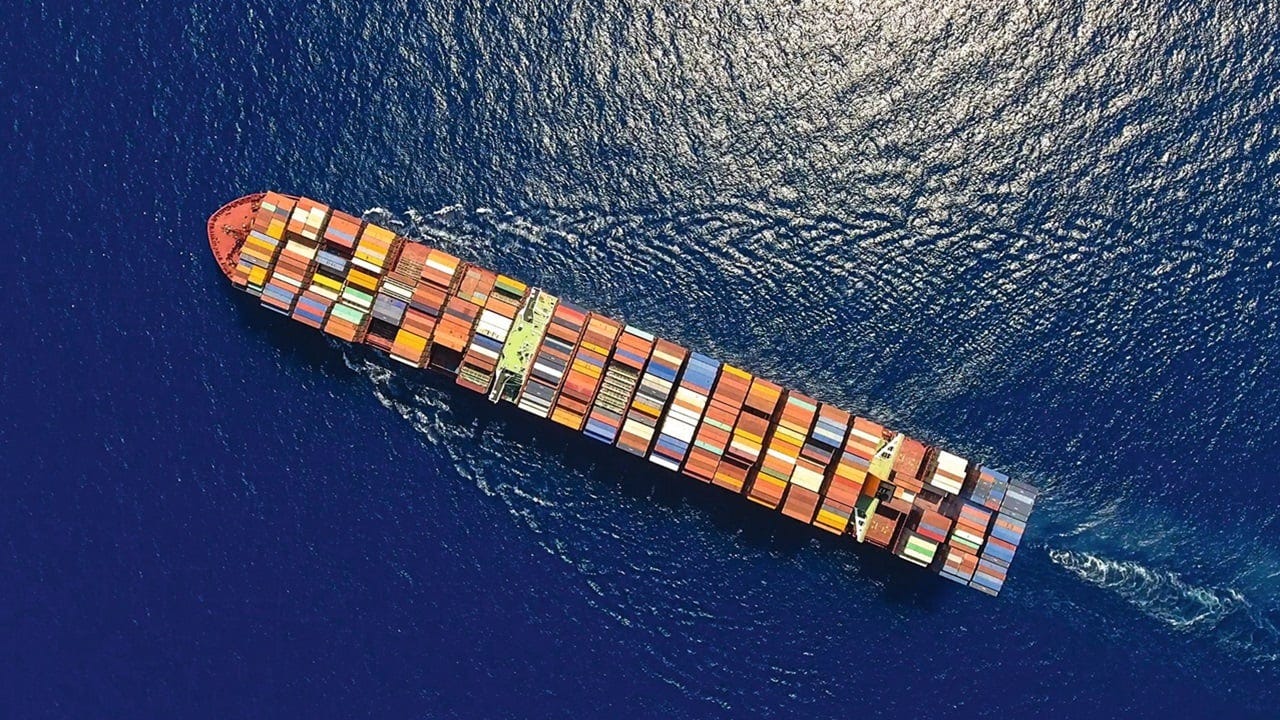
A key claim of the Gemini Cooperation between container lines Maersk and Hapag-Lloyd was that they would have 90% schedule reliability and Seatrade Maritime News delved into whether this had really been achieved.
Has an Asia - Europe ship departed on its voyage when it departs its first Asian port, or when it leaves Asia? These are critical questions for schedule reliability. Understanding when a ship leaves or arrives on time is critical to the Gemini Cooperation USP, but it seems ‘on time’ can mean a lot of different things depending on who you are and what is being measured.
According to Sea-Intelligence, the independent measure that the Gemini member lines Maersk and Hapag-Lloyd use, the alliance’s schedule reliability has met the carrier promise to shippers of over 90% reliability.
Copenhagen based eeSea also an independent maritime intelligence provider puts their reliability at between 80 and 90%, fluctuating depending on trade lanes. These are still high numbers, about twice the global average, but below the promised 90% as marketed by Gemini.
September
ABS calls on IMO to pause net zero framework
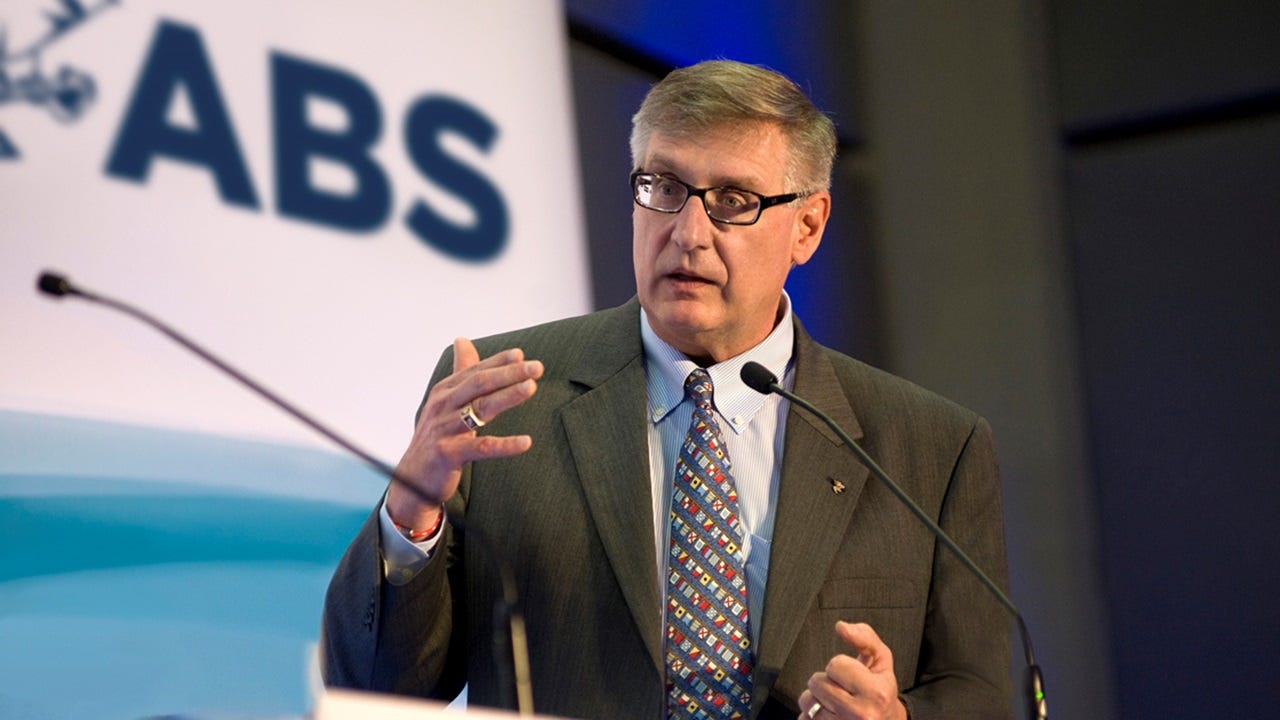
The October vote on the IMO’s Net Zero Framework already was under from the Trump administration with its “unequivocal rejection” of the plans and a threat of retaliation against member states that supported measures. Then during London International Shipping Week (LISW) classification society ABS lobbed the proverbial hand grenade into the debate.
“Shipping and the IMO are on different trajectories,” stated ABS Chairman and CEO Christopher Wiernicki.
“There is no clear pathway for green fuel availability and scalability and infrastructure support. LNG and biofuels are mission critical to any success and should not be overlooked, over penalized or discarded in the Net Zero regulation. Quite frankly, achieving net zero for shipping by 2050 looks like a wildcard.”
He called for the IMO to take a timeout on the measures and said, “we need to get this right”.
How much the statements reflected domestic political pressure is open to debate but they also reflected the views of many shipowners in the industry and the remarks were to presage the events of the following months at the IMO MEPC Extraordinary Meeting.
October
IMO delays adoption of Net Zero Framework by a year
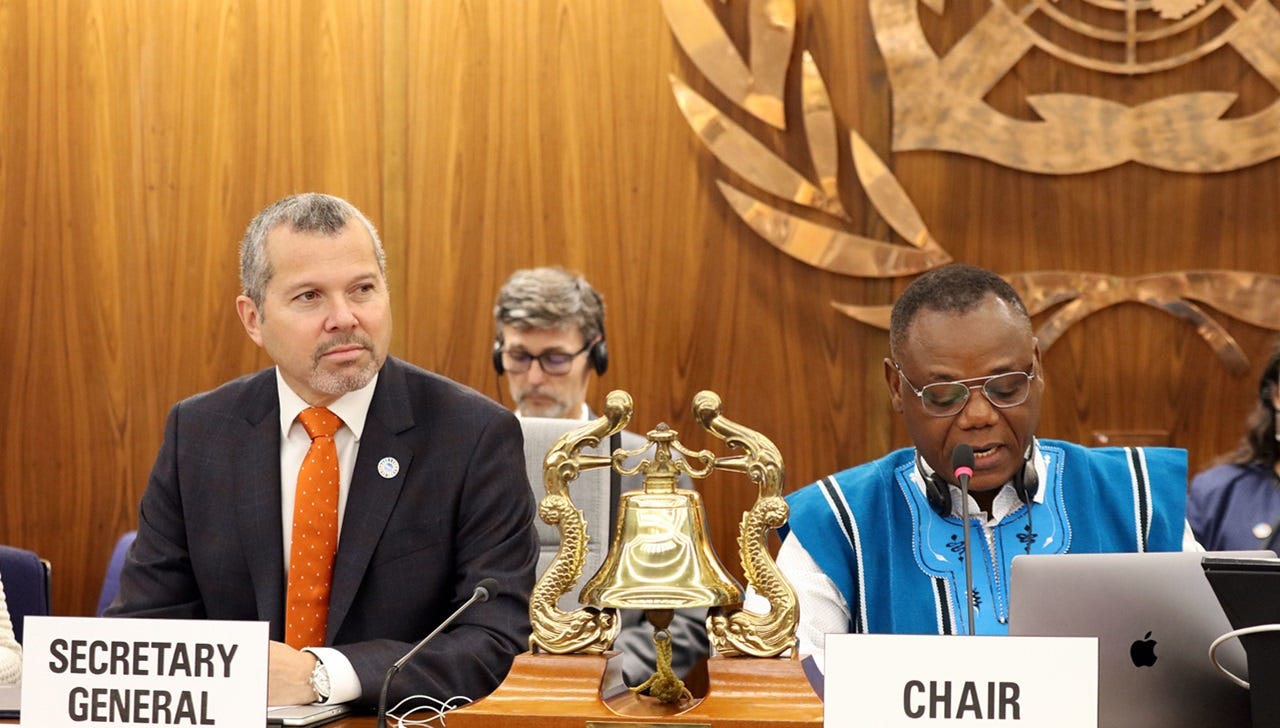
The second Extraordinary Meeting of the IMO Marine Environment Protection Committee (MEPC) in mid-October for member states to vote on the Net Zero Framework (NZF) was to be a fraught affair.
The US aggressively lobbied and pressured smaller states to vote against the measures, along with more subtle but also effective campaign by Saudi Arabia, which culminated in a vote to adjourn the meeting for a year.
In the final results the IMO said that 57 countries voted in favour of a delay, 49 against a delay and 21 abstained. Eight member states were not present for the vote.
Speaking at media briefing after the close of the MEPC Arsenio Dominguez, Secretary-General of the IMO stressed the NZF was not dead.
“It’s [NZF] very much alive. The decision to taken today was to adjourn the extraordinary session that was convened to adopt the amendments for one year. And as was clarified by the chair that next week the intersessional working group will meet and they have a work plan that was discussed and agreed and will continue to move forward.”
November
Loose wire led to Dali destroying Baltimore Key Bridge: NTSB
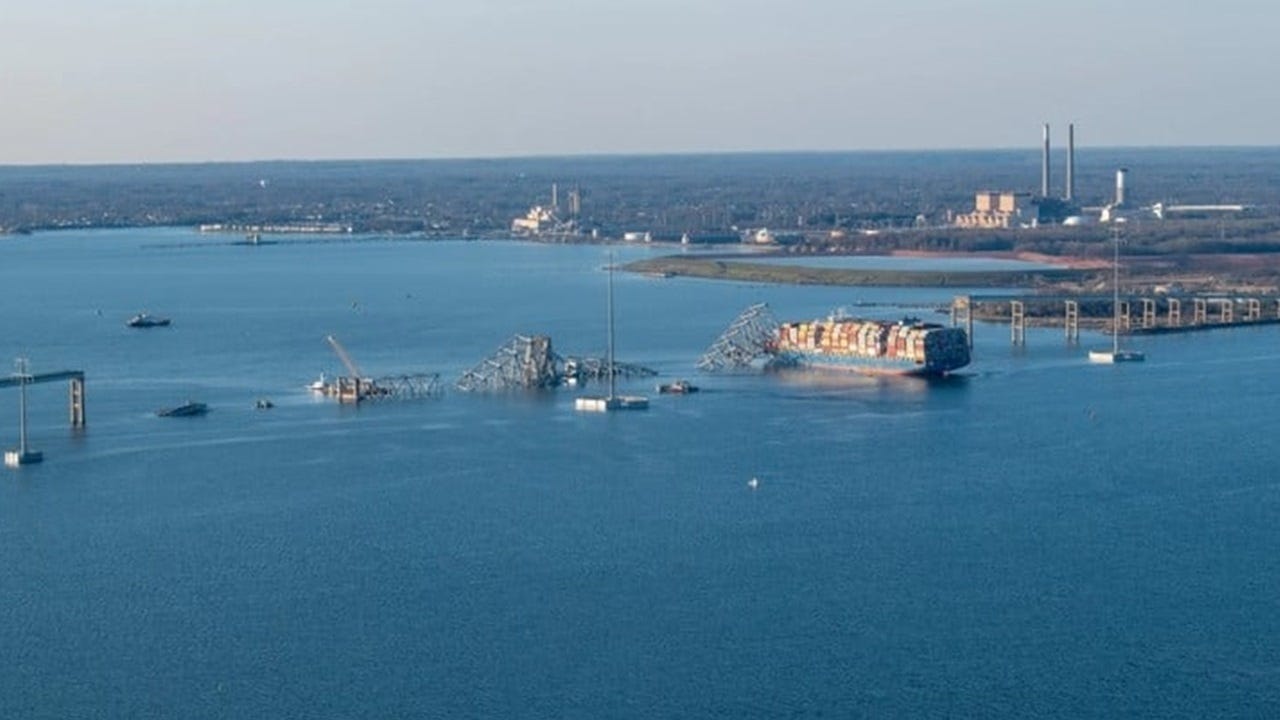
The much-awaited report into the allision by the Dali with Francis Scott Bridge in Baltimore in the early hours of 26 March 2024 was released by the NTSB. The accident led to the destruction of the bridge and the deaths of six workers on it at the time
In a highly detailed engineering presentation, the NTSB pointed to defects in wiring where a specific loose wiring connection, likely dating back to the time of the vessel’s construction in 2015, to one of the ship’s circuit breakers led to a disconnect and then a subsequent shut- down through an “under-voltage release”.
In her remarks, NTSB Chair Jennifer Homendy likened this to “one bolt failing in the Eifel Tower”, after comparing the Dali's length to that of the Eifel Tower’s height. After an initial blackout, the crew was able to conduct a re-start, however, the configuration of fuel pumps a “flushing pump” and not the requisite “service pump”) did not support an automatic re-start, leading to a second blackout after the vessel’s generators shut down from lack of fuel.
December
US seizes VLCC Skipper off Venezuela
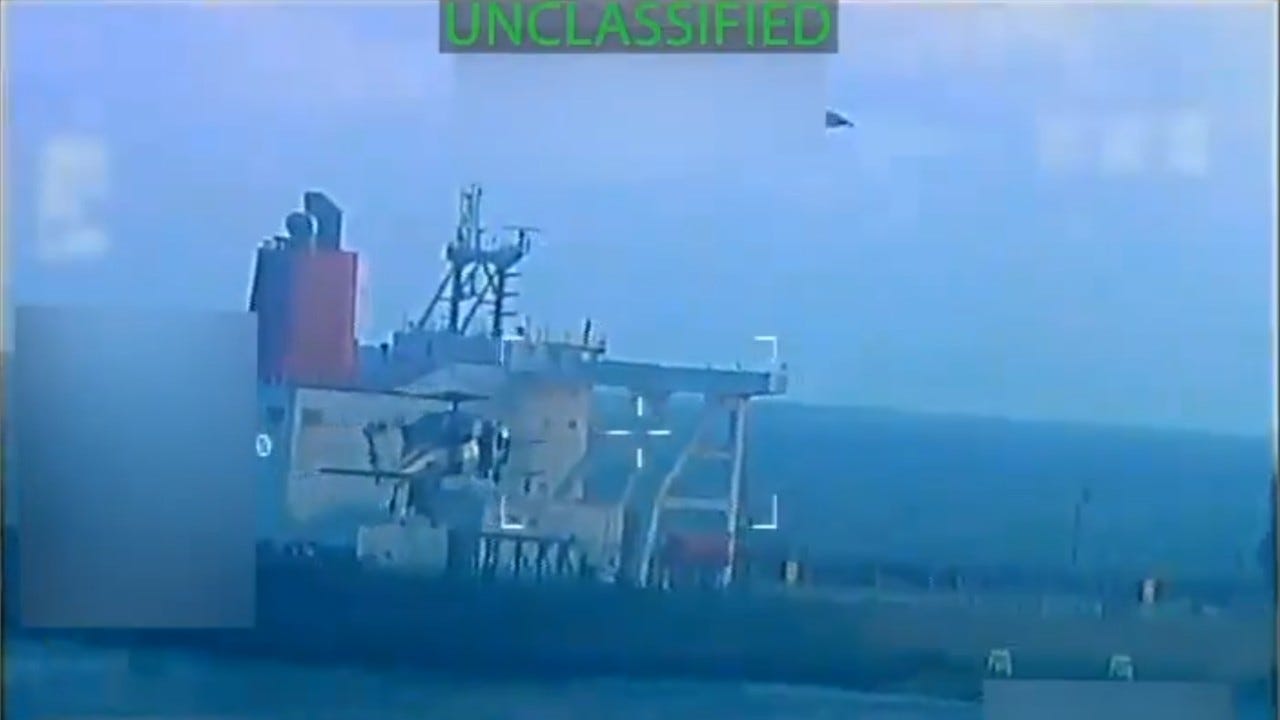
In a serious ratcheting up of sanctions enforcement against tankers serving Venezuela the US Military, led by a unit of the US Coast Guard with support from the US Navy, seized the 2005-built, 310,000 dwt VLCC Skipper off the coast of country.
The vessel, then named Adisa, was sanctioned by the US Office of Foreign Asset Control (OFAC) in 2022 as part of measures taken against movements of Iranian oil.
Venezuela’s Ministry of Foreign Affairs denounced the seizure of the vessel as a “blatant theft and an act of international piracy”.
A week later US President Donald Trump ordered a blockade of all sanctioned tankers calling in Venezuela.
In a post on the Truth Social platform Trump claimed that Venezuela was completely surrounded by the largest armada ever seen in South American history and stated there would be, “A TOTAL AND COMPLETE BLOCKADE OF ALL SANCTIONED OIL TANKERS going into, and out of, Venezuela”.