






Shanghai’s record cargo volumes reveal a new trend, the world’s shipping infrastructure is now a battleground for strategic dominance.
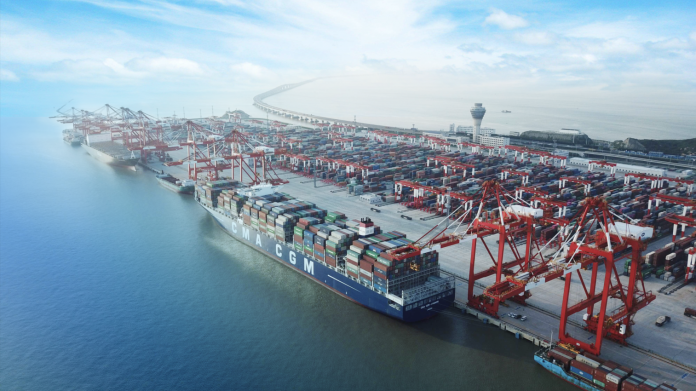
Shanghai Port handled over 46 million containers in the first ten months of 2025, a 6.5% surge that far outpaced China’s 3.6% trade growth. The gap exposes a fundamental shift reshaping global commerce: container volumes are decoupling from economic reality, driven not by market forces but by geopolitical calculation.
This is the new mathematics of maritime trade, where shipping routes reroute around war zones, port investments signal alliance building, and cargo concentration equals strategic leverage.
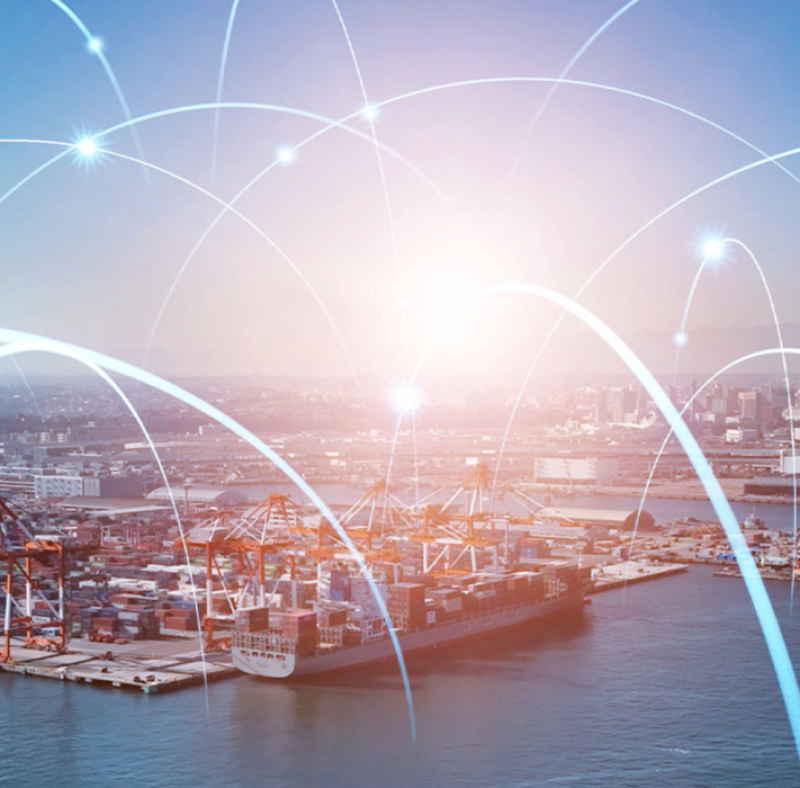
The hub-and-spoke network once a straightforward efficiency model has become the infrastructure of 21st-century power competition.
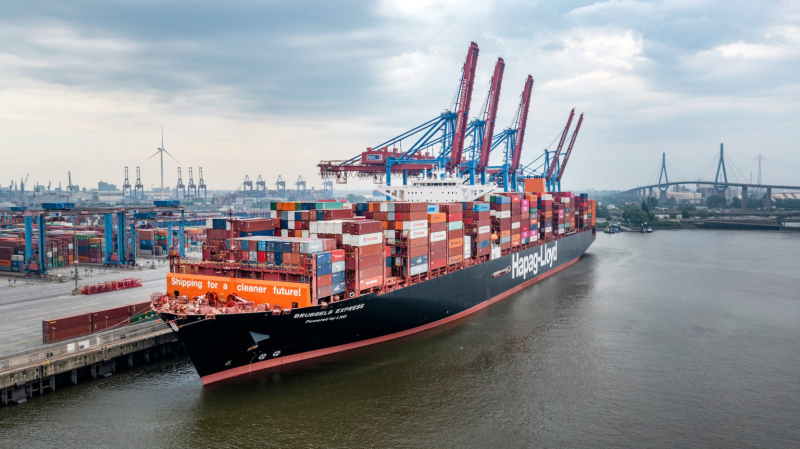
The top ten ports now handle 50-60% of global container traffic, with eight located in Asia.
Shanghai and Ningbo-Zhoushan together exceeded 90 million containers in eleven months. Singapore, the world’s top transshipment hub, continues expanding its automated Tuas mega-port.
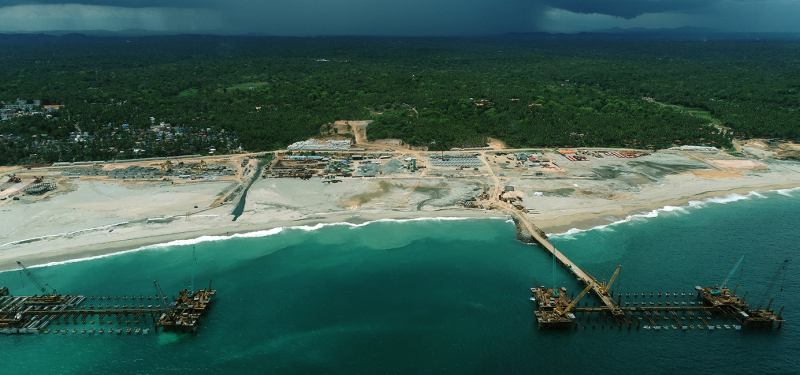
China has transformed this concentration into statecraft. Through Belt and Road investments, Chinese operators now hold stakes in terminals across the Global South, creating alternative networks that bypass Western-dominated chokepoints.
When the Houthis forced an 80-90% rerouting of Red Sea traffic around Africa’s Cape of Good Hope, the disruption didn’t diminish hub dominance it reinforced it. Longer routes increased ton-mile demand by 6-10%, rewarding exactly the automated efficiency that mega-hubs provide.
Washington sees danger where Beijing sees opportunity. The US Trade Representative launched a Section 301 investigation into China’s maritime sector dominance, with labor unions demanding fees on every Chinese-built vessel docking at American ports.
The proposal targets not just economics but dual-use shipyards that blur the line between commercial and military production.
The Red Sea crisis crystallizes how temporary disruptions become permanent structural changes.
Shipping companies are making long-term infrastructure investments based on expectations of chronic geopolitical volatility rather than crisis resolution. Frontloading ahead of tariffs, diversifying away from single-corridor dependencies, accepting higher capital commitments across multiple geographies this is “geopolitics-first” logic replacing pure cost optimization.
The pattern appears globally. Morocco coordinates port expansion to capture European-bound cargo diverted from Suez. India accelerates maritime infrastructure development as part of the India-Middle East-Europe Corridor initiative. Malaysia’s Tanjung Pelepas reports 15% growth as shippers seek alternatives to established hubs.
This fragmentation is driven by strategic competition. Each new hub represents an attempt to reduce dependence on rivals’ infrastructure while creating leverage over partners.
The hub-and-spoke model creates a dangerous paradox.
Automation and scale enable mega-ports to handle record volumes even as macro growth flattens. But concentration also creates single points of failure. A cyberattack on Shanghai’s automated Yangshan terminal could ripple through global supply chains faster than any Red Sea blockade.
Research on maritime network vulnerability confirms what strategists fear: the same efficiency that enables hubs to dominate makes them targets.
Studies document how military conflicts, sanctions, and disruptions disproportionately impact hub-dependent trade networks the phenomenon researchers term “hub dependence,” where constrained economies forced to connect through neighboring external hubs face compounding vulnerabilities.
This highlights that ports are no longer neutral commercial assets but strategic tools. Connectivity indices serve as leading indicators of geopolitical influence. Declining performance at key facilities signals broader power shifts.
The mega-hub era has arrived, built on automation, scale, and the recognition that in modern statecraft, controlling the nodes where cargo concentrates means controlling the pathways of global power.