








A boarding operation marks an unprecedented escalation in maritime enforcement tactics, signaling potential shift toward proactive disruption of weapons proliferation networks on commercial shipping routes.
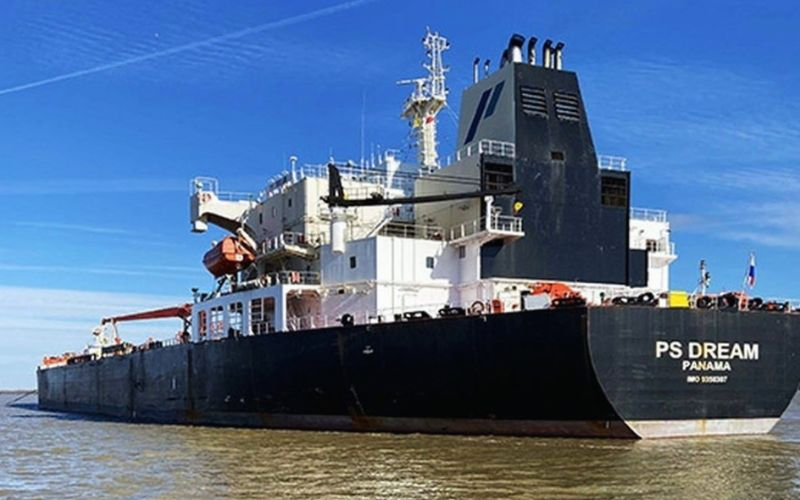
US special operations forces intercepted a commercial cargo vessel hundreds of miles off Sri Lanka in November, seizing Chinese-origin dual-use components bound for Iran’s missile program in what appears to be the first known American military interdiction of China-to-Iran proliferation cargo in recent history.
The boarding represents a significant departure from historical US maritime enforcement patterns, which have primarily targeted outbound Iranian weapons shipments to regional proxies rather than inbound procurement flows from major trading partners.
Industry sources briefed on the operation described it as part of an increasingly aggressive posture aimed at disrupting Tehran’s efforts to reconstitute missile capabilities following reported US-Israeli strikes on Iranian facilities earlier in 2025.
While maritime interdictions remain a familiar tool in regions like the Arabian Sea and Gulf of Oman, previous operations have focused overwhelmingly on intercepting Iranian arms exports particularly small-vessel shipments to Yemen’s Houthi forces.
The US Navy and partner forces have conducted over a dozen such seizures since 2021, routinely publicizing the confiscation of ballistic missile components, anti-tank weapons, and ammunition to highlight violations of UN arms embargoes.
Direct at-sea boardings targeting sophisticated dual-use goods flowing from China to Iran, however, appear unprecedented in open-source records spanning the past decade.
Washington has historically relied on diplomatic channels, export controls, and entity-level sanctions to address China-Iran technology transfers, avoiding the operational and political complexities of high-seas special forces actions against commercial vessels.
The November operation coincides with broader enforcement intensification following the September 2025 reinstatement of UN “snapback” sanctions and heightened Western focus on disrupting clandestine procurement networks supporting Iran’s ballistic missile program.
The interdiction carries immediate operational implications for container lines, bulk carriers, and freight forwarders operating on Asia-Middle East routes.
Vessels transporting dual-use electronics, precision instruments, or advanced materials from Chinese ports toward Iranian destinations or transshipment points potentially linked to Iranian end-users now face elevated inspection risks in international waters.
Maritime compliance officers should anticipate heightened due diligence requirements surrounding cargo documentation, beneficial ownership verification, and end-user certifications for sensitive goods categories.
Industry analysts suggest the action could trigger indirect market effects, including increased insurance premiums for Iran-related trades and potential delays as shipping lines implement more stringent internal screening protocols.
Carriers may face difficult decisions about accepting bookings for dual-use cargo destined for Iranian ports or regional transshipment hubs with Iranian trade connections.
Whether this operation represents an isolated tactical success or the beginning of sustained enforcement escalation remains unclear.
A pattern of similar operations would fundamentally alter risk calculations for carriers, cargo interests, and intermediaries involved in Middle East trades particularly those touching Chinese supply chains or Iranian commercial networks.