





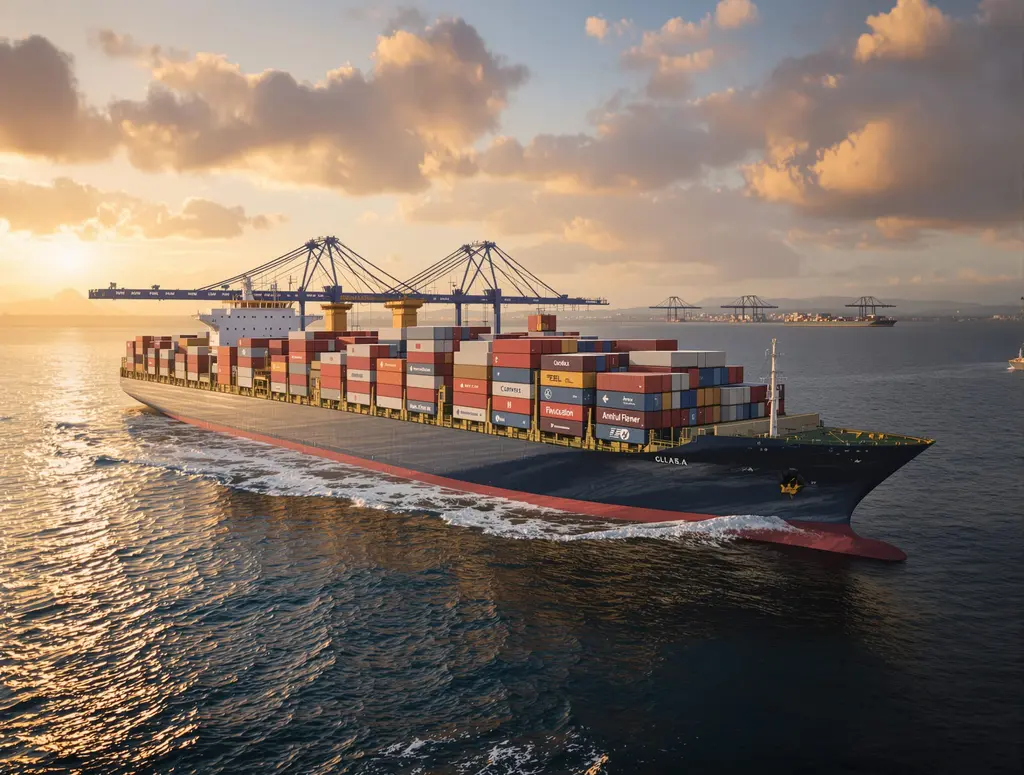
The maritime industry is undergoing a transformation driven by technological advances and shifting global trade patterns. For businesses, stakeholders, and enthusiasts, understanding these changes is crucial for navigating the future of shipping. This guide explores the latest innovations, such as autonomous ships and digitalisation, and highlights emerging routes and markets shaping the global shipping landscape.
Latest Technologies Shaping Shipping
Autonomous Ships
Autonomous vessels are rapidly moving from concept to reality. These ships use advanced sensors, artificial intelligence, and remote control systems to operate with minimal human intervention. Benefits include improved safety, reduced crew costs, and enhanced operational efficiency.
- Notable Developments:
- The Yara Birkeland, the world’s first fully electric and autonomous container ship, began operations in Norway.
- Major shipping lines and technology firms are investing in pilot projects and partnerships to advance autonomous navigation.
Digitalization
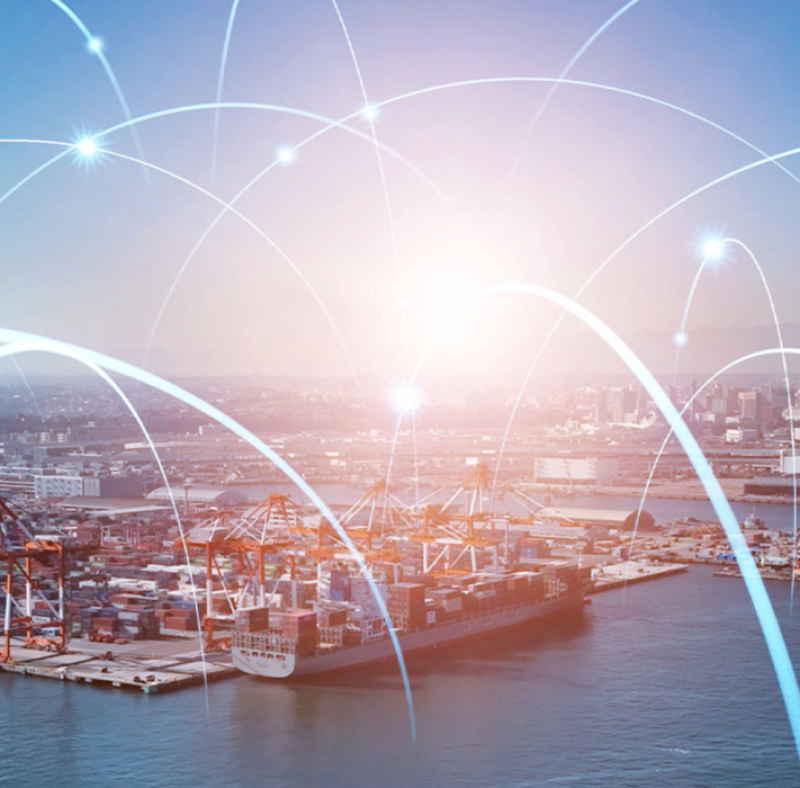
Digital transformation is revolutionizing every aspect of shipping, from logistics to vessel operations.
- Smart Shipping Platforms:
Real-time tracking, predictive maintenance, and automated documentation are streamlining supply chains. - Blockchain Technology:
Secure, transparent digital records are reducing fraud and paperwork, particularly in cargo tracking and payments. - Internet of Things (IoT):
IoT sensors monitor vessel performance, cargo conditions, and environmental factors, enabling data-driven decision-making. - Artificial Intelligence (AI):
AI algorithms optimize routes, forecast demand, and improve fuel efficiency.
Sustainable Innovations
The industry is also embracing green technologies to meet regulatory requirements and address climate change.
- LNG and Alternative Fuels:
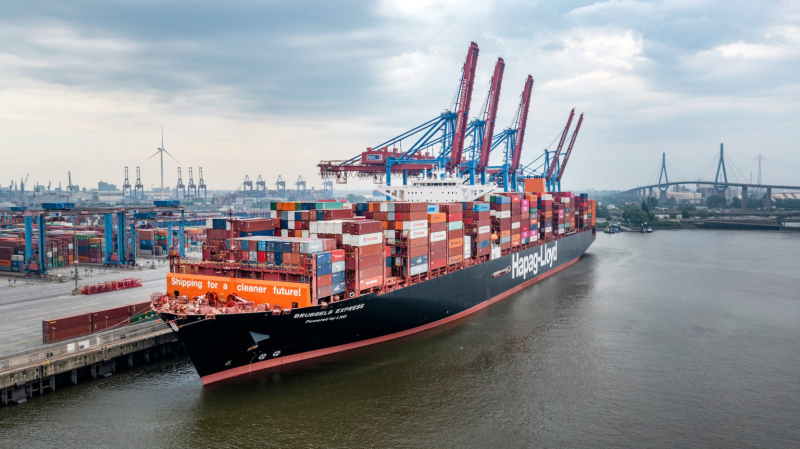
Ships are increasingly powered by liquefied natural gas (LNG), biofuels, and hydrogen, reducing emissions. - Energy-Efficient Designs:
Innovations in hull design and propulsion systems are lowering fuel consumption.
Emerging Shipping Routes and Markets
Arctic Shipping Routes
Climate change is opening new passages in the Arctic, such as the Northern Sea Route, which offers a shorter path between Asia and Europe.
- Advantages:
Reduced transit times and fuel costs. - Challenges:
Harsh weather, ice navigation, and environmental concerns.
Africa and Southeast Asia
Rapid economic growth in Africa and Southeast Asia is creating new opportunities for shipping.
- Port Investments:
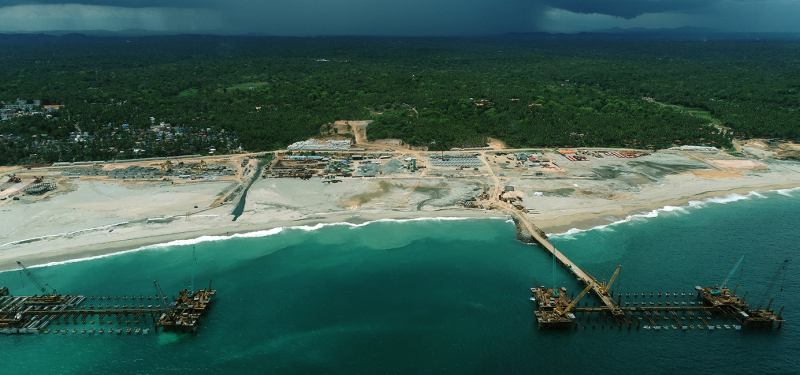
Major ports in Nigeria, Kenya, and Vietnam are expanding capacity to handle increased trade. - Regional Trade Agreements:
Initiatives like the African Continental Free Trade Area (AfCFTA) are boosting intra-regional shipping.
Expansion of the Panama and Suez Canals
Recent upgrades to the Panama and Suez Canals enable larger vessels and greater traffic, reshaping global shipping routes.
- Impact:
Enhanced connectivity between the Americas, Europe, and Asia. - Market Growth:
Increased demand for container shipping and bulk cargo services.
E-commerce and Last-Mile Shipping
The rise of e-commerce is driving demand for faster and more flexible shipping solutions.
- Growth of Regional Hubs:
Ports near major urban centers are becoming logistics hubs for last-mile delivery. - Integration with Air and Land Transport:
Multimodal solutions are optimizing delivery times and costs.
Conclusion
Global shipping is evolving at a rapid pace, propelled by technological innovation and the emergence of new trade routes and markets. Autonomous ships, digitalization, and sustainable practices are setting new standards for efficiency and safety. Meanwhile, shifting economic centers and climate change are redefining how and where goods move around the world.
Staying informed about these trends is essential for stakeholders seeking to capitalize on new opportunities and navigate the challenges of a dynamic maritime landscape.