




There is a striking reality unfolding: the Panama Canal — a vital waterway that handles around 5–6% of global trade — is quite literally running short of water.
Many mega container ships have had to offload cargo, and some even face substantial financial penalties, simply because of draft restrictions. So what exactly is happening?
Unlike the Suez Canal, which operates at sea level, the Panama Canal relies on a system of locks that raises vessels about 26 meters above sea level. Every time a ship passes through, around 250 million liters of freshwater from Gatún Lake are released toward the ocean.
Here is the dilemma: Gatún Lake is also a major source of drinking water for millions of people in Panama. When water levels fall, the canal authorities have no choice but to prioritize drinking water for the population over commercial shipping.
The canal depends almost entirely on natural rainfall to replenish its freshwater supply. Record droughts linked to El Niño have pushed Gatún Lake to critically low levels.
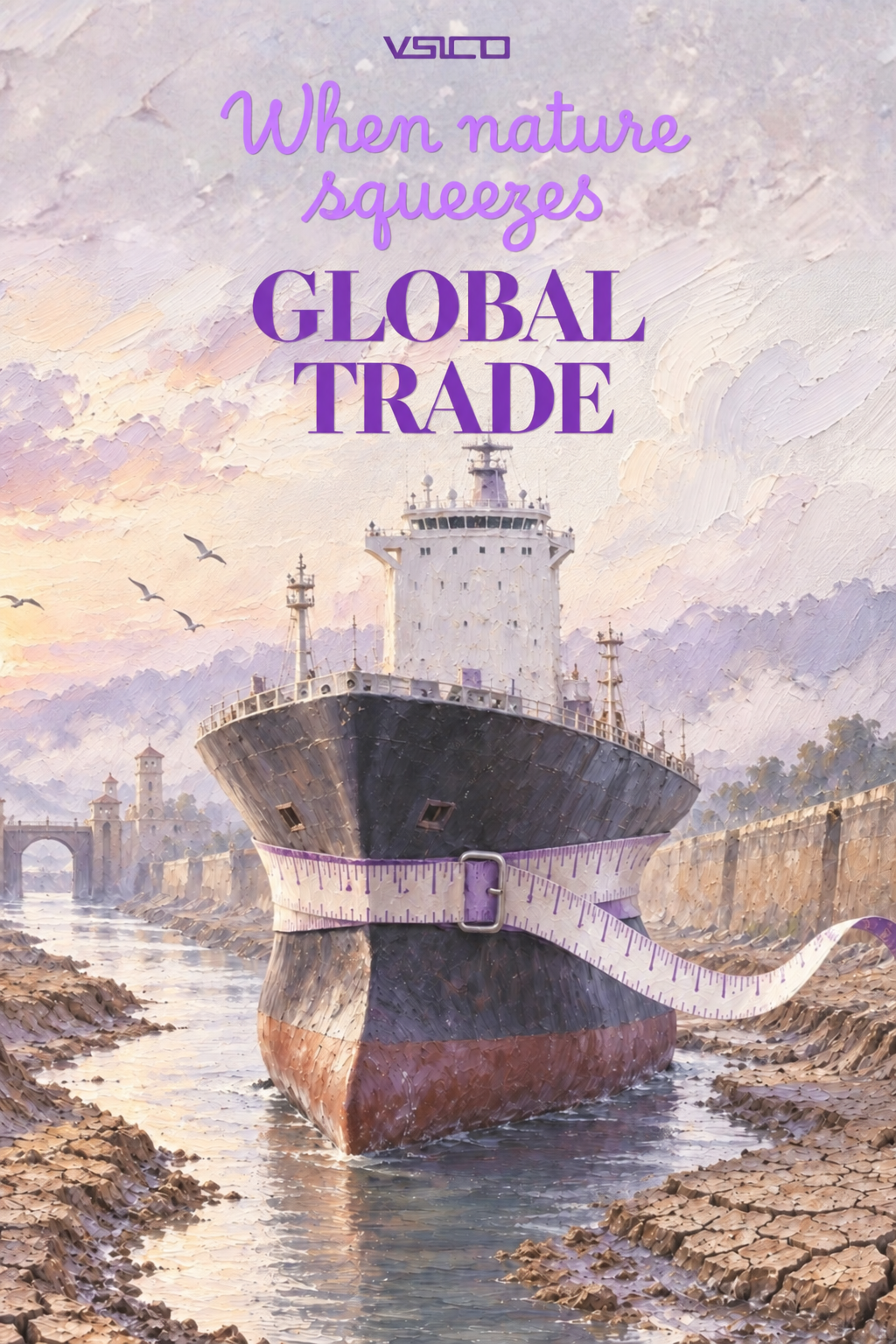
Lower water levels mean a greater risk of ships touching the canal bottom. As a result, vessels are forced to “lose weight” by carrying less cargo, reducing their draft so they can pass through safely.
The consequences can be severe. At the height of the disruption, hundreds of vessels were forced to wait offshore for extended periods, putting additional pressure on global supply chains.
Freight costs also rise. Ships carry less cargo, while operating costs remain largely unchanged — pushing up transportation costs for consumer goods, energy products and agricultural commodities worldwide.
So what lies ahead for this roughly 80-kilometer waterway?
Panama is accelerating investment in new reservoirs and water-reuse technologies. But the lesson from the Panama Canal is already clear: no matter how powerful global trade becomes, nature can still turn off the tap.
What do you think about major shipping routes being so heavily dependent on weather and water availability? Share your thoughts in the comments.