





US Central Command says that a blockade of Iran’s ports for all vessels will start from 10am ET (5:30pm Iran time) and not impede traffic transiting of the Strait of Hormuz from non-Iranian ports.
The statement by US Centcom clarifies earlier statements by President Donald Trump on the Truth Social that the US would blockade “any and all ships trying to enter, or all ships trying to enter the Strait of Hormuz”, following the failure to reach agreement in negotiations between the US and Iran in Pakistan at the weekend.
In a statement US Centcom said the blockade of Iranian ports from 10am ET on 13 April was in accordance’s with the President’s proclamation.
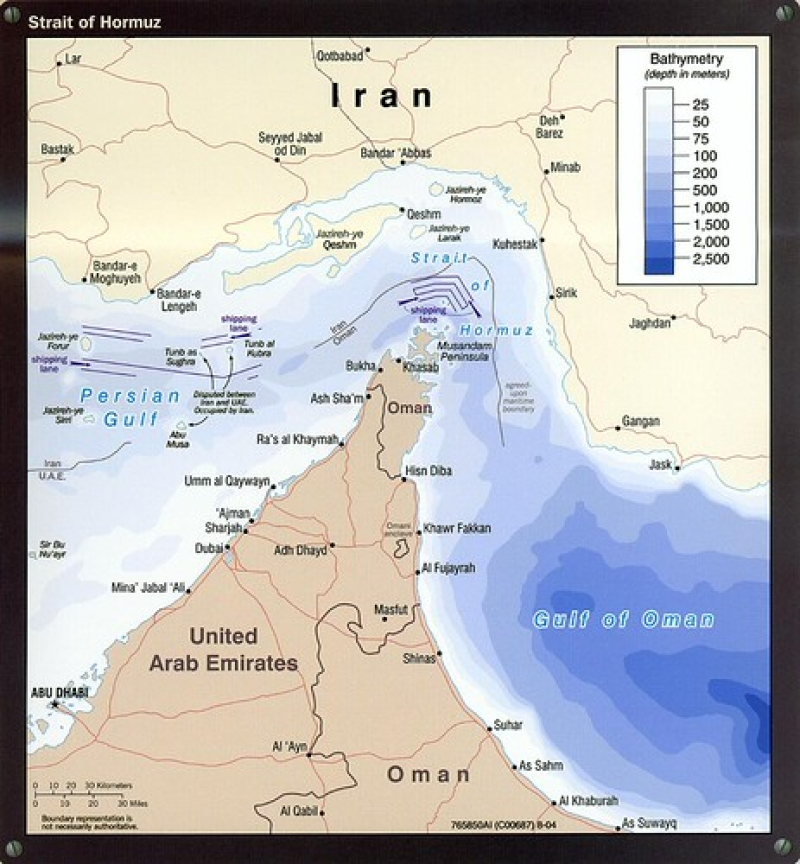
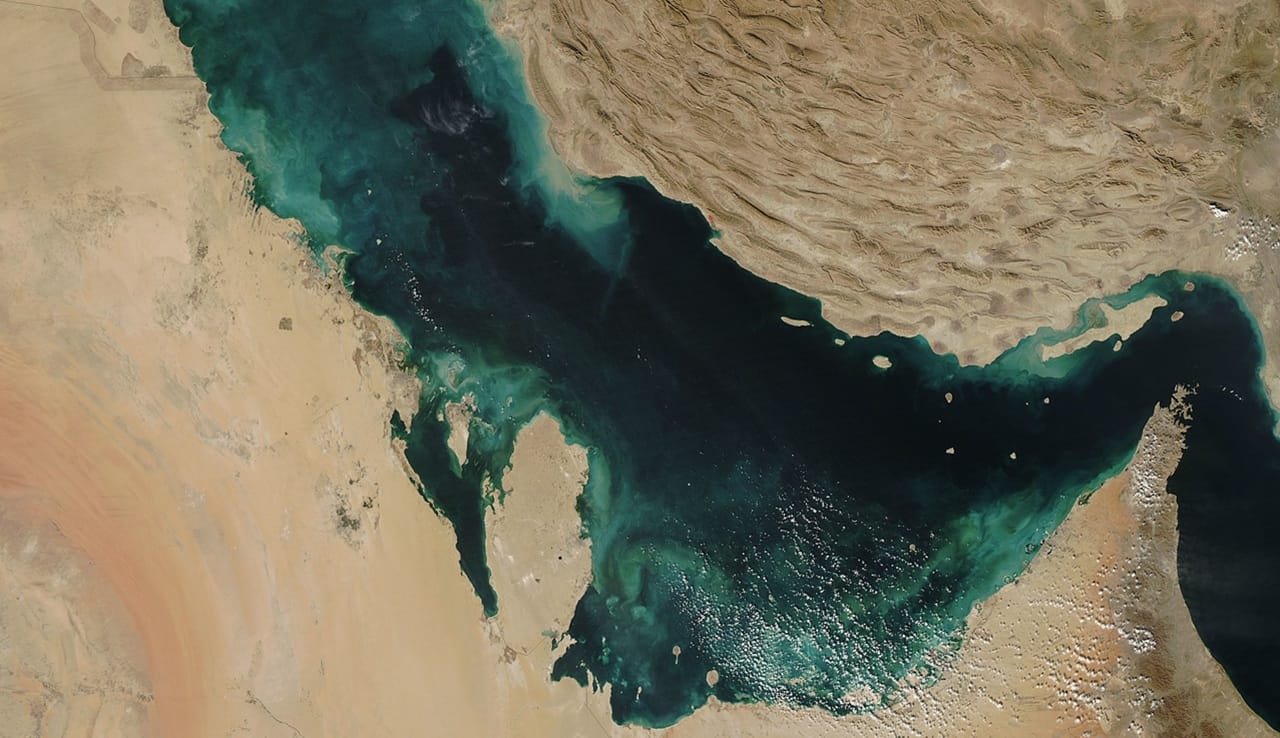
“The blockade will be enforced impartially against vessels of all nations entering or departing Iranian ports and coastal areas, including all Iranian ports on the Arabian Gulf and Gulf of Oman. CENTCOM forces will not impede freedom of navigation for vessels transiting the Strait of Hormuz to and from non-Iranian ports.”
US Centcom said additional information would be provided in a formal notice to mariners prior to the start of the blockade. “All mariners are advised to monitor Notice to Mariners broadcasts and contact US naval forces on bridge-to-bridge channel 16 when operating in the Gulf of Oman and Strait of Hormuz approaches.”
Iran has managed to effectively close the Strait of Hormuz to international commercial shipping traffic since the conflict started on 28 February. Even since the 14-day ceasefire on 7 – 8 April Iran has only allowed very limited international traffic through the Strait and even then, only with its approval and the apparent payment of a $2 million toll.
Despite the conflict Iran managed to continue exporting crude via the Strait of Hormuz. According to United Against Nuclear Iran (UANI) Iran was exported 1.15 million barrels of oil during March, about half the amount in February prior to the conflict. Nearly all of this volume – 1.14 million barrels was exported to China. The estimated value of these exports was $3.63 billion.
"CENTCOM’s announcement transforms what has already been a de facto Iranian strangulation of commercial navigation into a lawful and declared blockade focused on Iran’s own ports. For weeks, Tehran has effectively held the Strait hostage while continuing to move its own oil to China. This action finally imposes reciprocal maritime pressure on the regime’s illicit export lifeline," Charlie Brown, Senior Advisor at UANI, told Seatrade Maritime News. UANI is a non-profit and non-partisan policy organisation formed to combat the threats posed by the Islamic Republic of Iran.
Meanwhile two vessels were lining up transits of the Strait from the Arabian Gulf on Monday morning. The Marshall Islands-flagged, 50,922 dwt product tanker New Future had sailed from the UAE and is bound for Sohar, according to data from Pole Star Global. The vessel is owned by Hong Kong Chaunglang Shipping.
The other vessel is a Panama-flagged, 47,999 dwt product tanker Auroura which was broadcasting its destination as Indian crew. According to Pole Star Global’s PurpleTrac the vessel is owned and operated by Golden Gate Ship Management from India which is has been included under OFAC Specially Designated National List of sanctioned entities since December 2025.
Of three tankers that appeared to abort transits of the Strait of Hormuz inbound to the Arabian Gulf on Sunday the Pakistani flagged Khairpur and Shalamar both sailed through the Strait after a number of hours circling outside the waterway. Malta-registered, VLCC Agios Fanourios I did not make a transit of the Strait following its u-turn and is now in the Gulf of Oman.