






As battery-electric shortsea vessels move from pilot projects to commercial deployment, the strategic question is no longer whether the ships can work, writes Wolfgang Lehmacher. It is who controls the yards, batteries, port power, software and standards that will define the next generation of coastal trade.
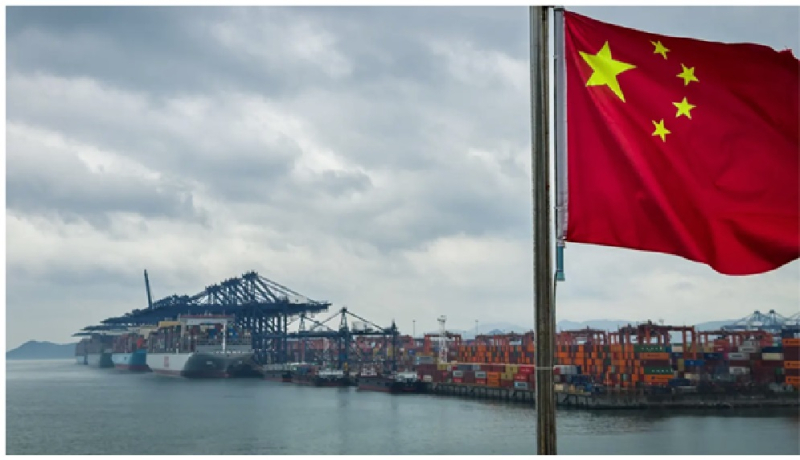
When Norway’s Eitzen Group ordered two fully electric 900 teu container ships from Zhejiang Dongpeng in June 2026, it was a small but telling sign that Europe might be outsourcing the operating system of its future electric corridor layer to China, including yards, batteries, software, and grid links those ships will depend on, locking European trades into a Chinese-built corridor operating system.
While policymakers argue over deepsea fuel chemistry, a race is unfolding in shortsea and coastal shipping where battery-electric vessels, including boxships, are already viable on specific routes.
But who controls the corridor stack: design, batteries, power electronics, port power, grid connections and software?
Stand on a morning in Hamburg as a feeder eases alongside the quay. Shore power is available, but capacity is tight, tariffs are complex and charging solutions vary by terminal. This reflects overlapping regulatory regimes, cautious grid planning and limited corridor-wide coordination. Now picture a similarly sized electric feeder docking in Ningbo or along the Yangtze. It plugs into infrastructure planned corridor-wide, backed by local subsidies and built around Chinese equipment and standards. The ships look comparable; the industrial ecosystems beneath them do not.
China treats this layer as an integrated industrial project. National and regional policies across the Yangtze River Delta and other coastal clusters support fleet renewal with electric ships, along with charging, grid and digital infrastructure to run them. Beijing is reusing the playbook that made it strong in EVs, batteries and solar: subsidies, state-directed finance, and tight links between shipyards, battery makers and port authorities. As large battery boxships enter service on Chinese rivers and coasts, they do so embedded in Chinese standards. Over time, this anchors data formats, grid codes, and service contracts to Chinese equipment and software.
EU climate packages and shore-power rules, along with national schemes such as Norway’s Enova, have spurred a wave of electric ferries and shortsea pilots. But European policy still advances port by port and project by project, rather than treating the electric corridor layer as strategic infrastructure. Whoever wires up the first generation of electric corridors will write the technical and commercial rulebook. The question for Europe is whether it wants to help write that rulebook or just sign up to it later.
A sceptic may say this is overblown. Shipping is price-sensitive; owners build in China because it is cheaper. Battery-electric ships will remain a niche: a few thousand small ships, a sliver of global energy demand in 2050 models. Deepsea fuel choices decide where value sits.
That answer uses the wrong denominator. The hard part of electrification is not the hull but systems integration. This means aligning sailing schedules with grid capacity, timing charging, running digital twins of port-energy systems, and creating charging-as-a-service models. Work on electric fleets shows electrifying thousands of small ships can deliver substantial emissions reductions by forcing such operational innovation. Actors that industrialise the electric layer first will export not just ships but standards and long-term service contracts.
Cargo owners and forwarders should commit volumes on specific corridors where electric feeders make sense and demand integrated port-grid-vessel solutions. Ports should use public funds to build open, shared charging and shore-power networks. European regulators need to treat access to green corridors the way they are starting to treat access to the EV market: welcome capital and technology, but on terms that build a European corridor stack. If Europe and its partners view the electric corridor layer as strategic infrastructure, they can still shape how this market operates rather than adapting to rules written elsewhere.