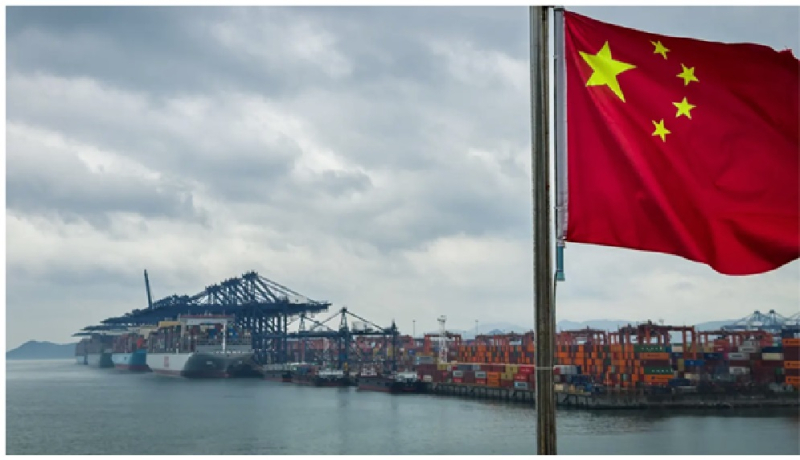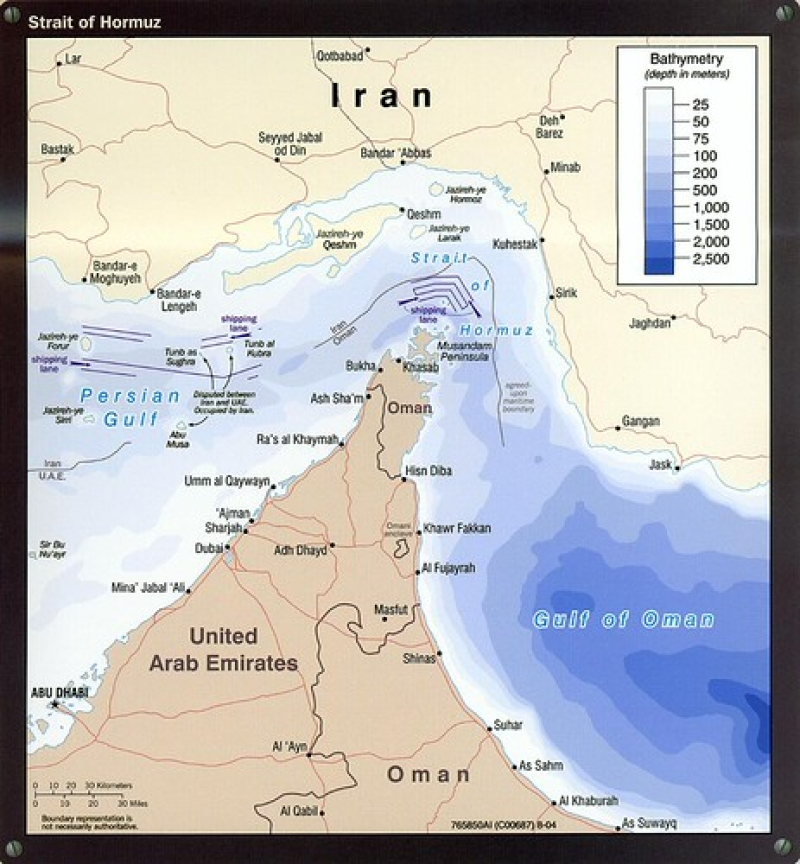







When rising tensions choked the Strait of Hormuz this spring, most Western shipping lines took the cautious route, diverting around the Cape of Good Hope and absorbing longer, costlier voyages rather than risk the chokepoint. China’s COSCO went the other way and it did so with unusual precision.
The state-owned carrier moved in three beats. In early March it pulled its vessels back to safer waters. Late in the month it tested a conditional return.
Then, on 30 March, it pushed an ultra-large containership through near Larak, confirming the breakthrough.
The sequence was not opportunism but careful risk-titration: withdraw while the dangers are still unpriced, re-enter the instant passage is assured, and let your own ships serve as the market’s signal that the strait has reopened on terms.
An aborted transit that was later completed made the point plainly: access here is negotiated, not guaranteed.
What COSCO negotiated was position on the favored side of a split fleet. Rather than eat the cost of the Cape reroute, it paid into Iran’s system of coordination and transit fees roughly US$2 million by some counts to keep moving through the strait while rivals stayed away.
The move carries two meanings at once. COSCO is a commercial operator harvesting the gap its competitors left behind, and it is also a state-owned emblem of China-Iran alignment against the US preference for open navigation.
Its behavior is countercyclical and long-term. Its energy arm booked an estimated US$664 million windfall in the first half as tanker rates surged, while the wider group accelerated orders for green, dual-fuel, LNG and dry-bulk vessels expanding just as competitors turned defensive.
Underpinning it all is a parallel insurance structure: Chinese and sovereign-backed cover stepping in where London reinsurers pulled back from Western tonnage.
The payoff is real. Inside today’s divided market, COSCO enjoys preferential transit, first-mover access to Gulf routes serving the UAE, Saudi Arabia and Iraq that others abandoned, a tanker-rate windfall, and cheap capacity bought while rivals retrenched. This is a genuine dislocation in its favor, not a marginal one.
But the edge is borrowed against continued disruption, and three weaknesses qualify it. First, the entire premium comes from differentiated access; if the strait fully normalizes, the arbitrage collapses and COSCO falls back to ordinary scale.
Second, that access rests on Iranian goodwill, not a codified right the friction, aborted transits and fees show COSCO is a rule-taker inside a regime it does not control.
Third, being the visible marker of China-Iran cooperation invites Western sanctions, insurance and counterparty scrutiny that could later reprice the very access it now exploits. Persistent Red Sea diversions by tankers confirm the corridor is far from secured.
The bottom line: COSCO is winning the crisis while the crisis lasts. Its fortunes hinge on a fork. If the two-tier order hardens into a standing arrangement, the advantage compounds. If the strait normalizes, the advantage evaporates and the geopolitical labeling turns from asset to liability.
Seen this way, the aggressive fleet buildout is less an expansion than a hedge an effort to convert a fleeting windfall into physical capacity before the outcome is decided.
The signal to watch is which way COSCO leans next: toward diversifying away from Hormuz, which would suggest it expects normalization, or deeper into the corridor, which would mean it is betting the divide will hold.