







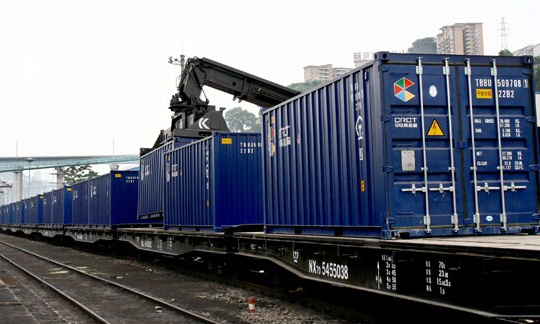
China-Russia container rail freight rates have doubled from May, hitting US$8,000 per FEU this month.
Tight availability for sea freight between China and Europe, as well as the slow return of empty containers, arising from higher Chinese exports to Russia, have resulted in higher
demand for rail transport.
Reportedly, container rental prices have also risen, with leases for 40-foot containers between Shanghai and Moscow reaching US$1,800 to US$2,100, up from US$1,400 to US$1,600 in May.
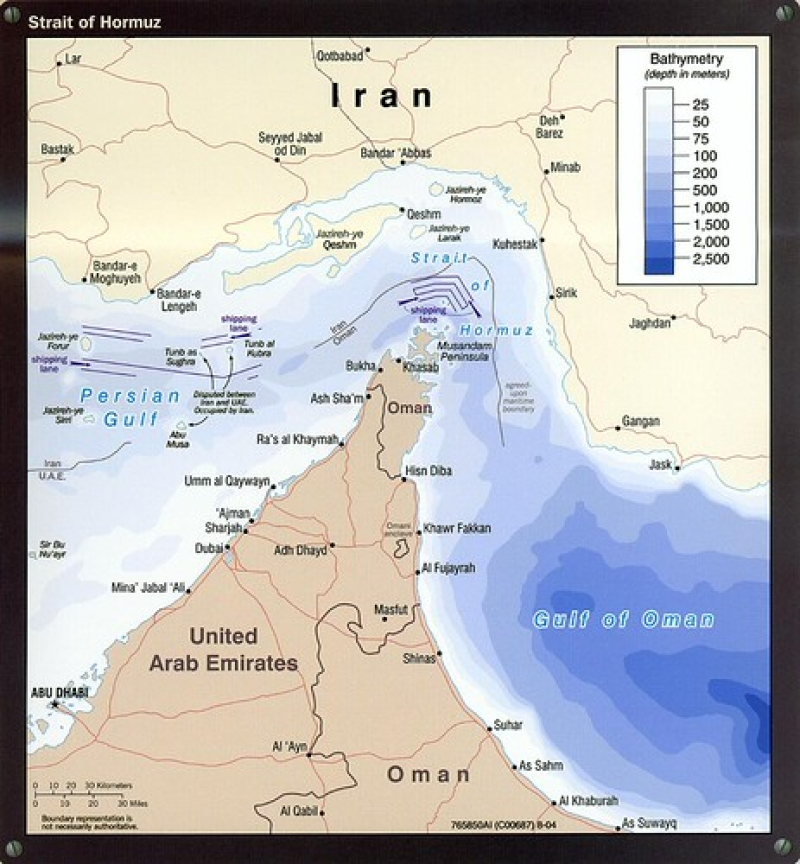
Forwarders told Container News that China is facing a severe shortage of containers, and the US-Israel conflict against Iran and Lebanon has led to longer container transit times and a slower return of empty containers to China.
China’s exports to Russia have increased, while imports from Russia have decreased, and the empty container reflow is insufficient.
Kazakhstan’s railway transit fees have also increased by 38% since 23 May, with the Russian section raising prices simultaneously. Customs officials in Russia and Kazakhstan are strengthening inspections, causing increased detention and passing on extra costs to freight rates.
Forwarders expect upward pressure on China-Russia rail freight to remain, despite US President Donald Trump’s claims on 14 June that an accord with Iran has been reached.
The peak season for Asia-North Europe sea freight has drastically reduced slot availability to the extent that shipping lines have not been able to provide sufficient capacity to customers that signed year-long contracts.
Forwarders think that the China-Russia rail freight could go up to US$10,000 per FEU in the short term.
One forwarder explained that the pivot to rail freight is one reason why seaborne China-Russia capacity has declined, even as the Russian government has considered banning mainline operators from the country should sanctions ever be lifted. Linerlytica estimates that capacity in Russia Far East trades is down by 1% from 2025, to 86,342 TEU.